
Authentic Lessons for 21st Century Learning

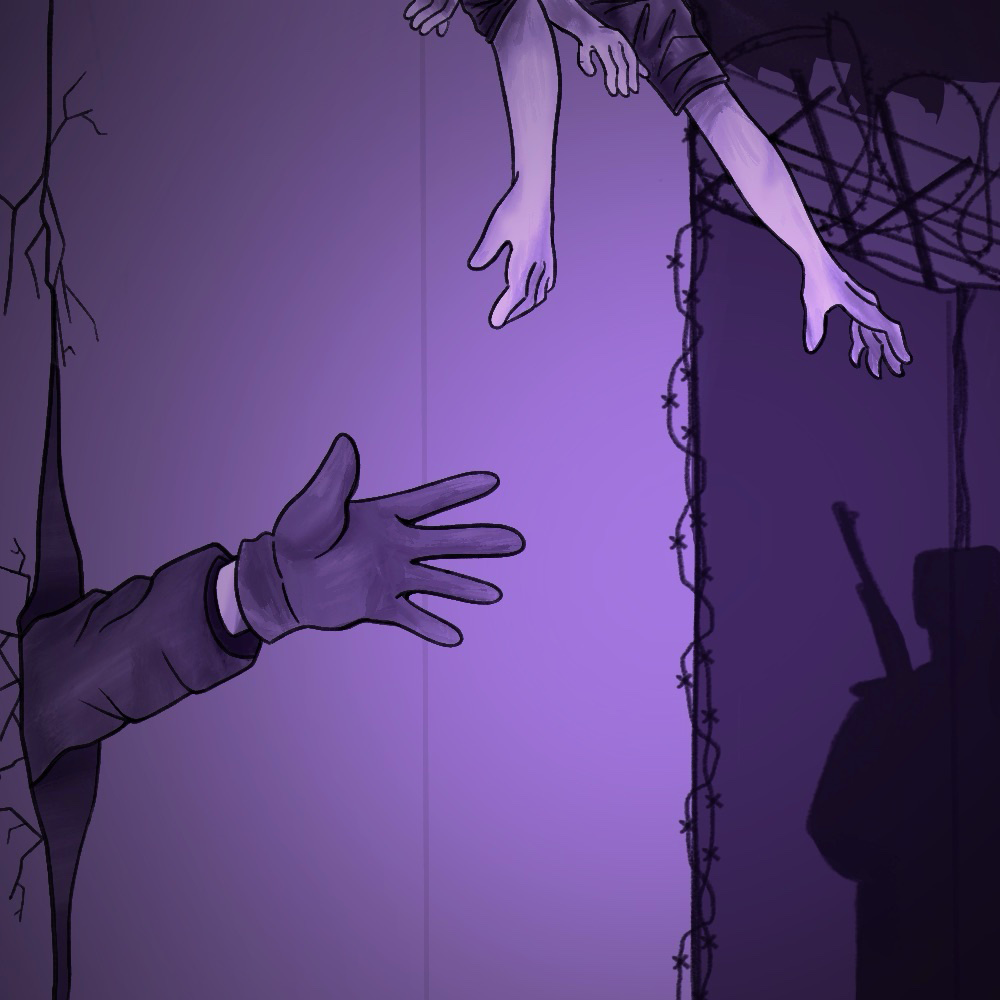
In this lesson, students examine why the Cold War came to an end. Students watch video footage of the fall of the Berlin Wall, identify reasons the Cold War ended by analyzing data and a reading, and extend their understanding by working in groups to create pie charts that detail the many reasons the... Read more »
Created by: Laura Halstied
Date Updated: October 6th, 2026
End of the Cold War
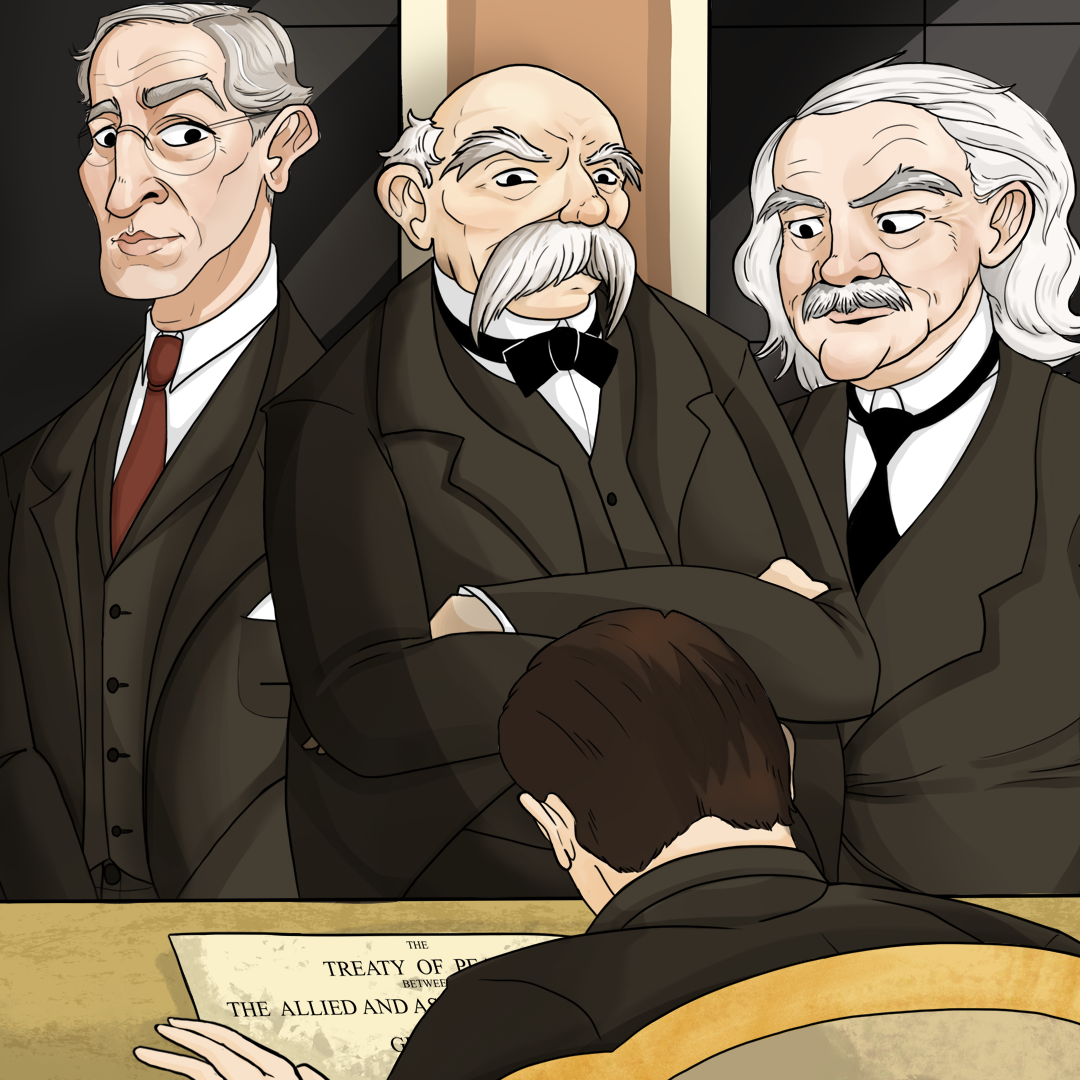
In this lesson, students will analyze the Treaty of Versailles by first considering what the consequences of war should be, then examining excerpts from the treaty, taking notes over two short videos, and reading an article about German reparations. Students write a claim, evidence, reasoning response... Read more »
Created by: Laura Halstied
Date Updated: September 8th, 2026
Evaluating the Treaty of Versailles
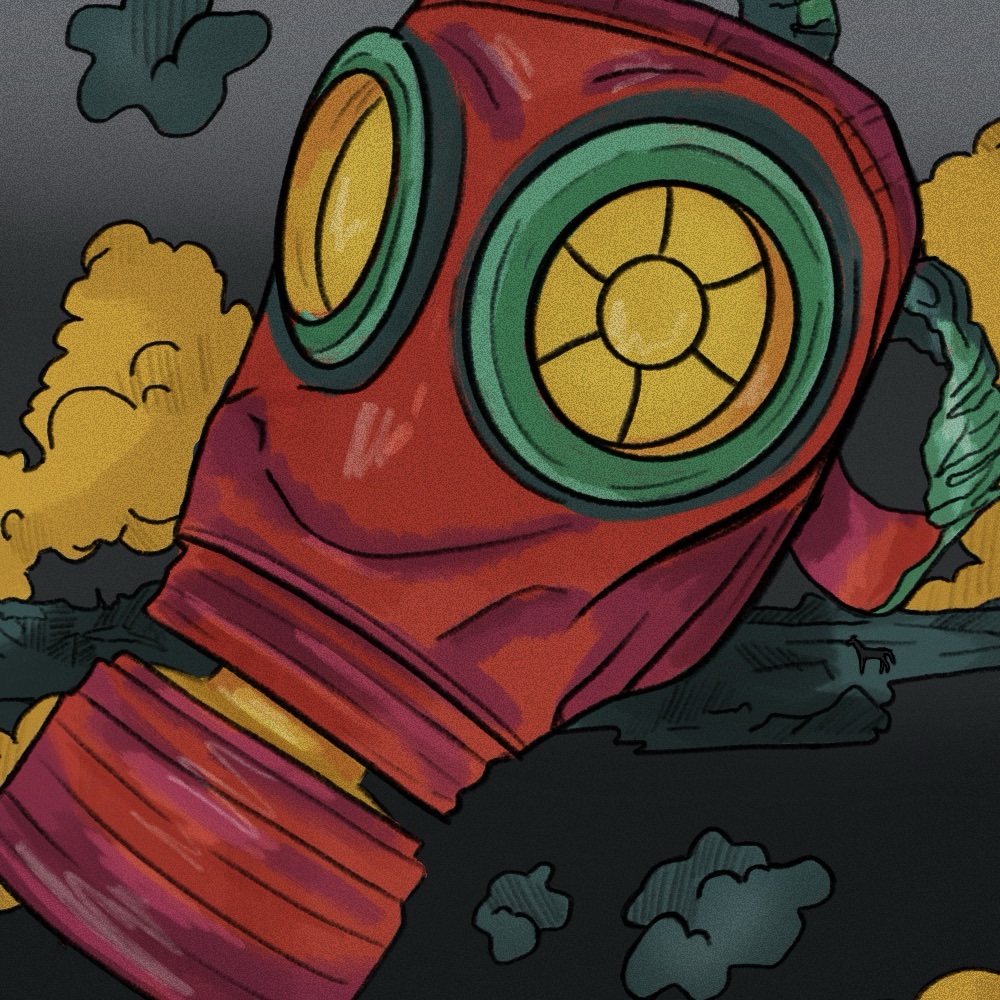
In this lesson, students examine World War I technologies through poems, letters, images, and readings, then demonstrate their learning by answering the lesson’s essential question. Read more »
Created by: Laura Halstied
Date Updated: September 3rd, 2026
Technology in WWI and Its Effects
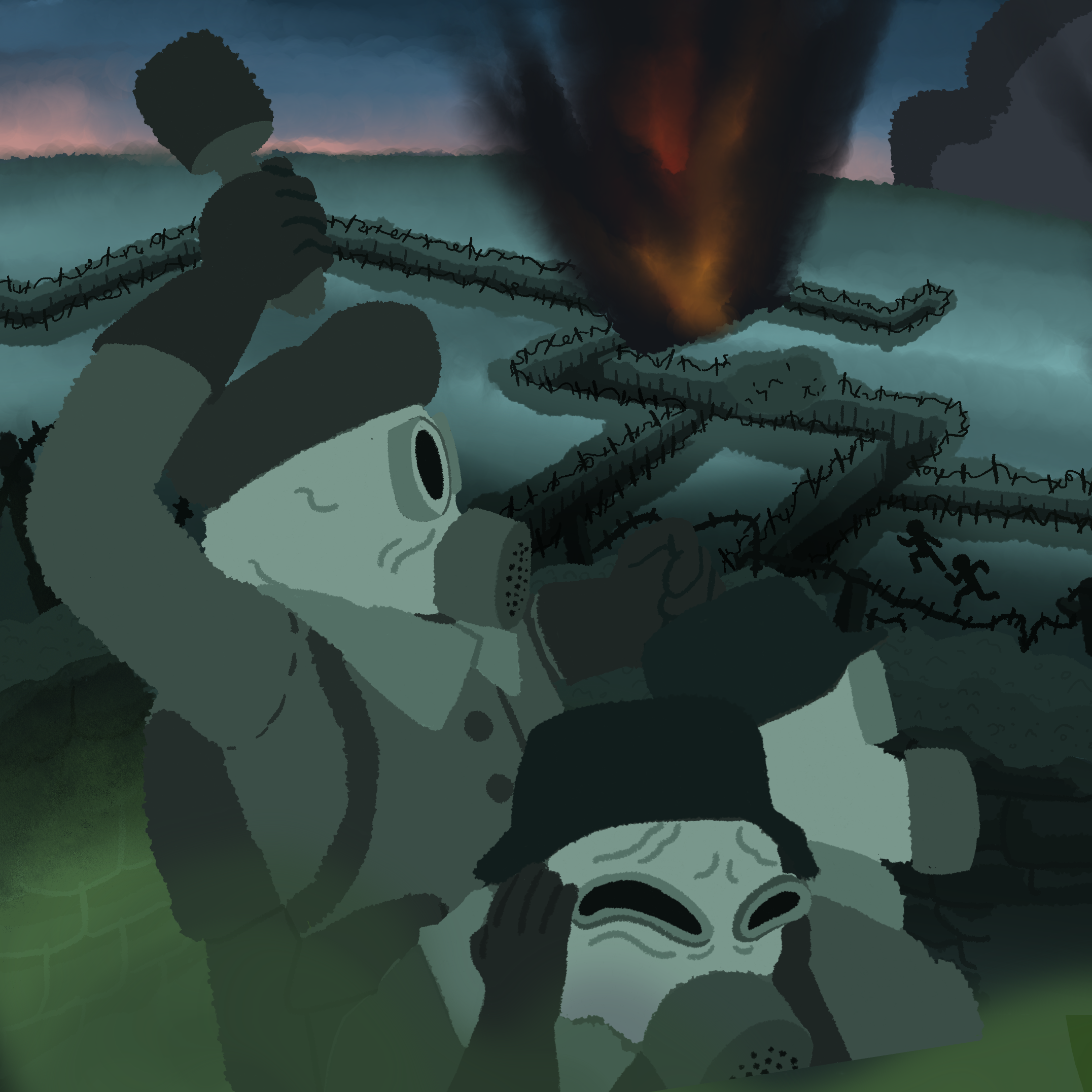
In this lesson, students analyze how trench warfare affected soldiers in World War I by reading a letter by a soldier, interacting with a trench warfare museum exhibit, and viewing a video about trench warfare. Students extend their learning by crafting an article or narrative about trench warfare and... Read more »
Created by: Laura Halstied
Date Updated: September 1st, 2026
Trench Warfare in World War I
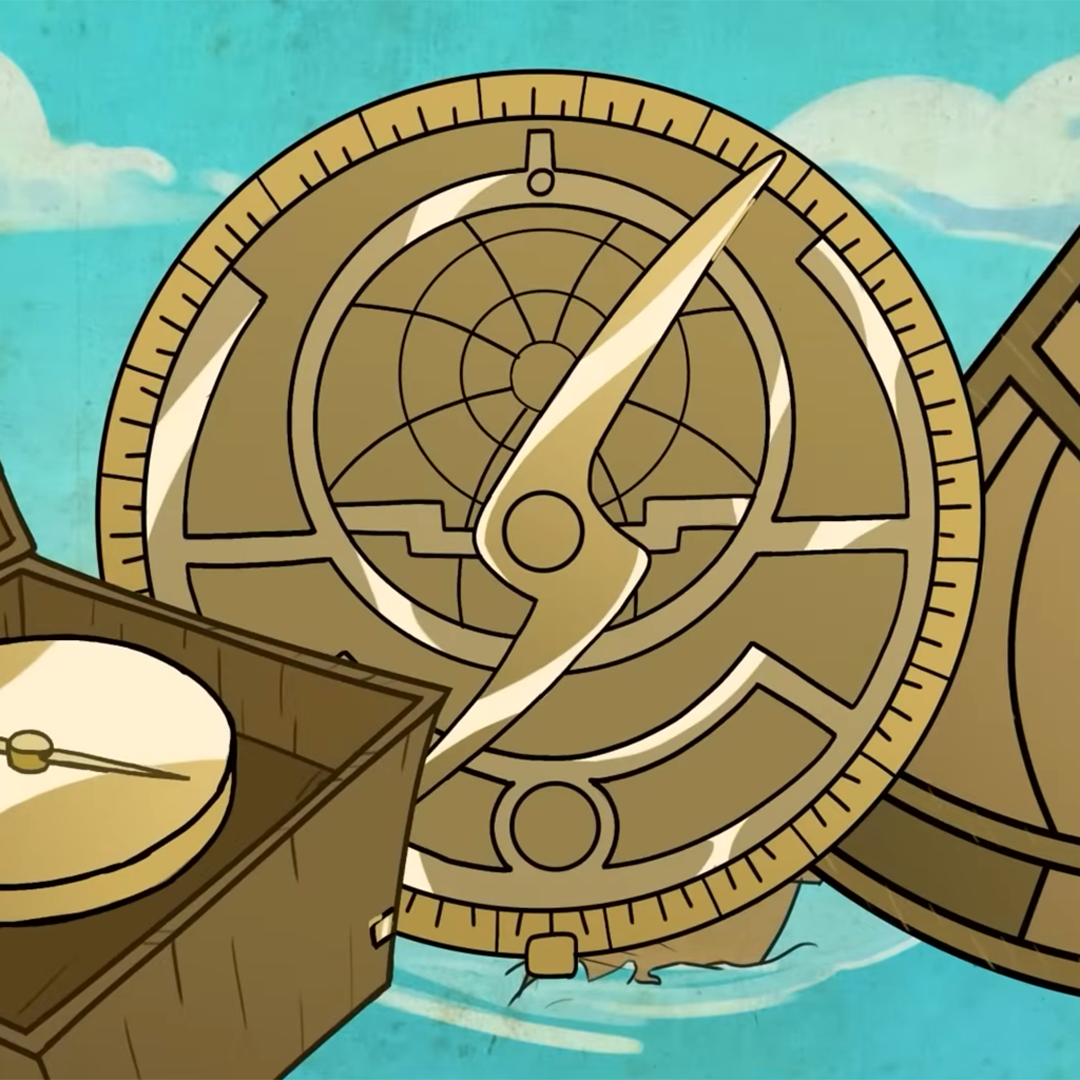
In this lesson, students analyze images, take notes while viewing a video, and create advertisements for four tools used by European explorers during the Age of Exploration. Students reflect on how the introduction of navigational tools through cultural diffusion influenced European exploration. Read more »
Created by: Laura Halstied
Date Updated: August 31st, 2026
European Exploration and Navigational Tools
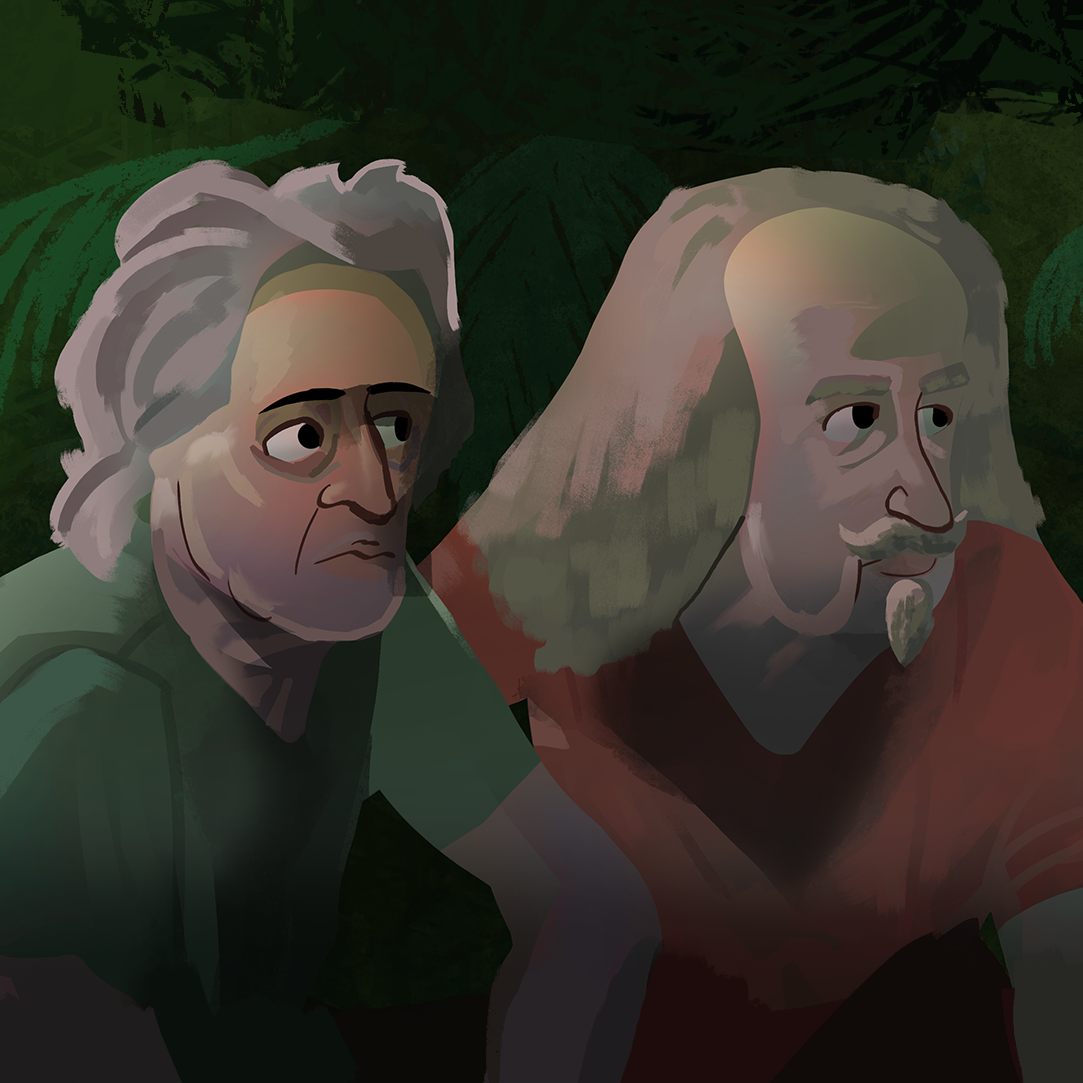
In this lesson, students analyze the political ideas of Thomas Hobbes and John Locke. Students begin by brainstorming the reasons why people create governments. Next, students compare and contrast monarchical and democratic governments. To extend their learning, students will debate as a class to determine... Read more »
Created by: Laura Halstied
Date Updated: August 31st, 2026
The Philosophies of John Locke and Thomas Hobbes

In this lesson, students will engage in several activities to understand Machiavelli's political writing, "The Prince." Students analyze excerpts from "The Prince," view a video about Machiavelli, participate in an activity to examine Machiavellian characteristics, and have a class debate about the... Read more »
Created by: Laura Halstied
Date Updated: August 27th, 2026
The Political Thought of Machiavelli
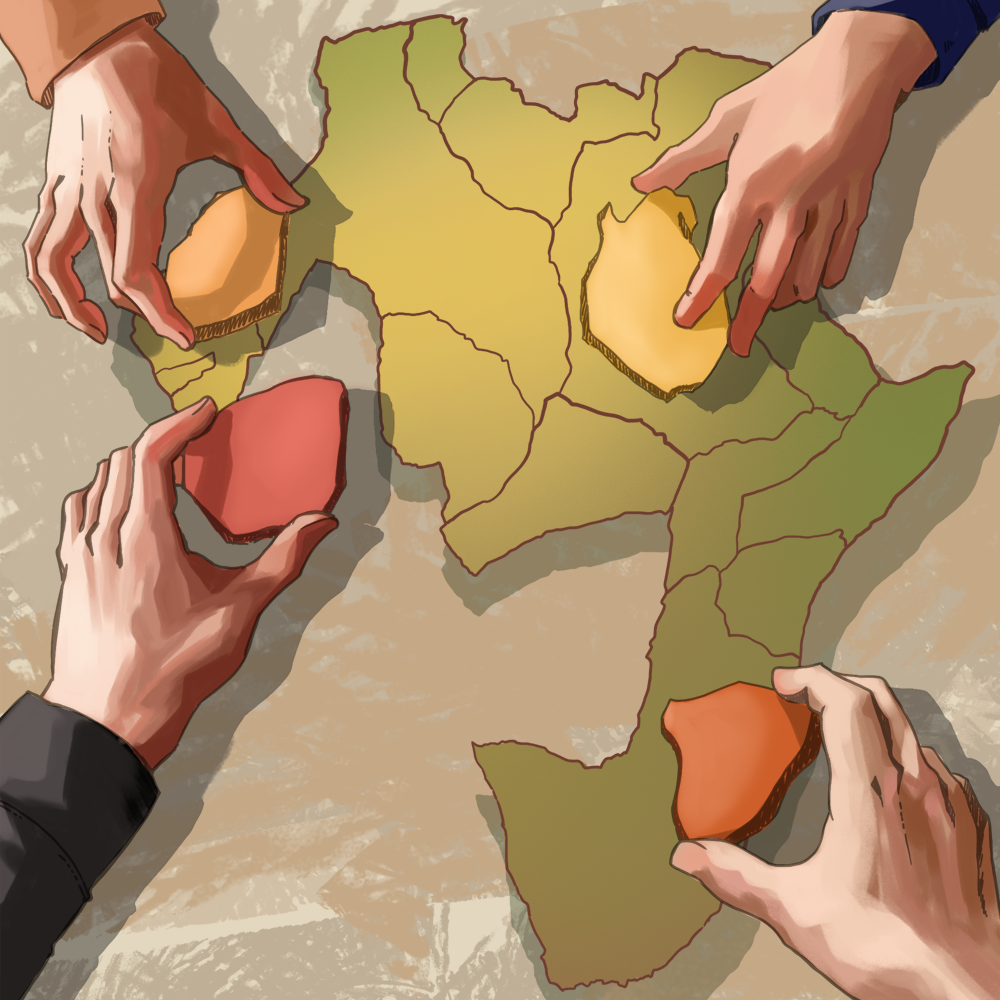
In this lesson, students will explore how imperialism affected Africa by analyzing a map, an illustration, and by completing a reading. Students relate the production of rubber to imperialism then summarize how imperialism impacted Africa. This is a multimodality lesson, which means it includes face-to-face,... Read more »
Created by: Laura Halstied
Date Updated: August 27th, 2026
Imperialism in Africa
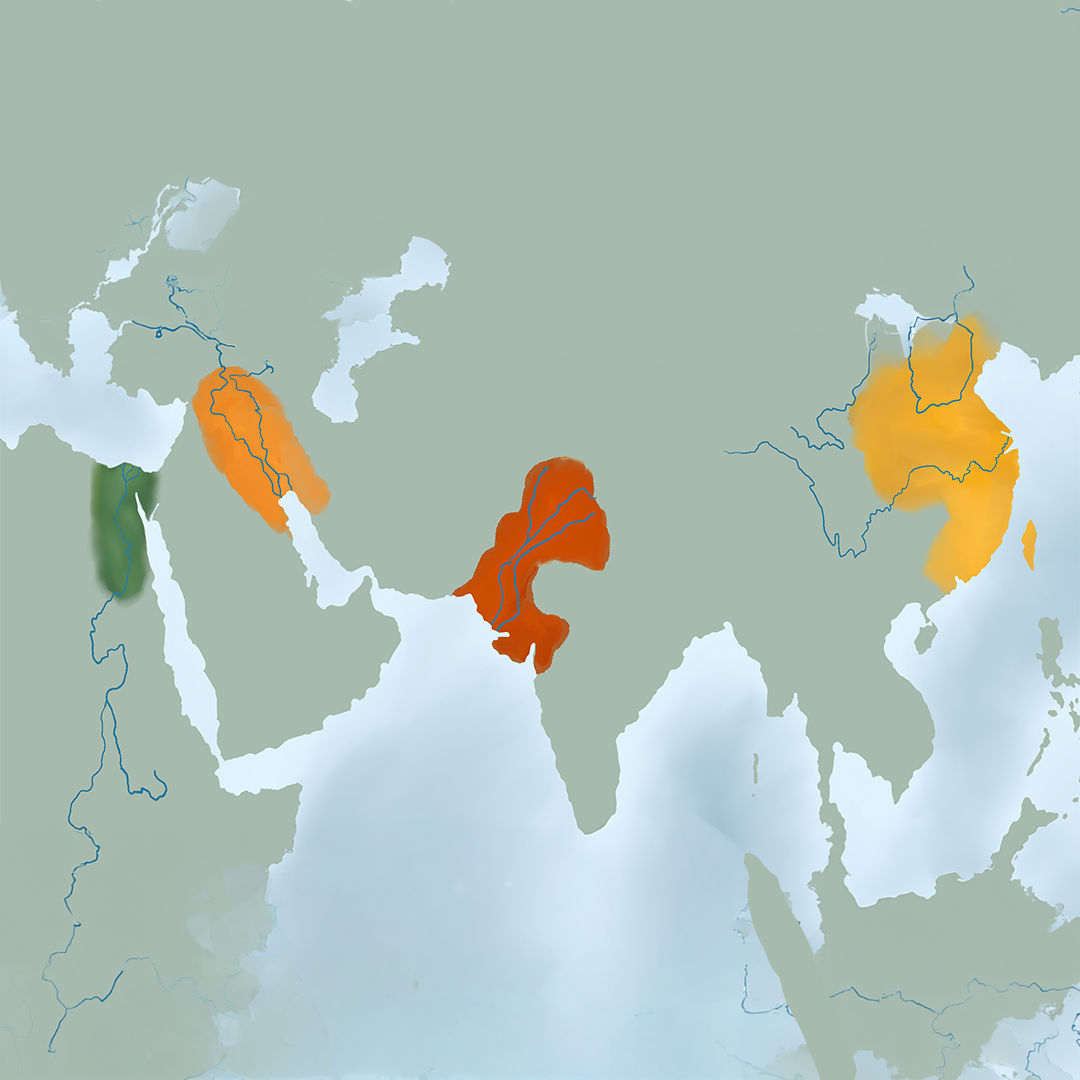
In this lesson, students analyze ancient river civilizations to understand how the environment impacts both human settlement and the characteristics of a civilization. Then, students connect the characteristics of civilization to the one they live in. This is a multimodality lesson, which means it includes... Read more »
Created by: Laura Halstied
Date Updated: August 4th, 2026
Characteristics of Civilization

In this lesson, students investigate how trade spreads religion by examining Mansa Musa’s cultural impact on West Africa. Through images, a video, and an article, they analyze his empire and contributions. As an extension, students explore the annual re-plastering of the Grand Mosque to see how his... Read more »
Created by: Laura Halstied
Date Updated: August 3rd, 2026
Trade and Religion in West Africa
