
Authentic Lessons for 21st Century Learning

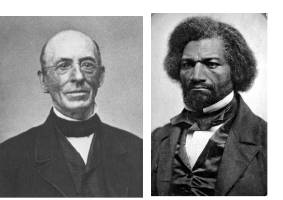
In this lesson, students begin by viewing two short interviews with journalists before reflecting on the role of journalism in a democratic society. Next, students analyze excerpts from speeches and newspaper editorials by Frederick Douglass and William Lloyd Garrison. Working in groups, students use... Read more »
Created by: Sarah Brewer
Date Updated: September 29th, 2026
The Media and the Abolitionist Movement
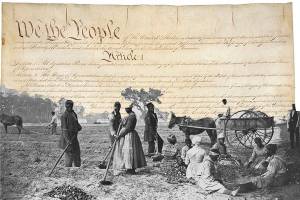
Students will listen to a New York Times podcast discussing how the Constitution protected both freedom and slavery. Working in collaborative groups, students will summarize four provisions of the Constitution—the Three-Fifths Clause, the Fugitive Slave Clause, the Slave Trade Clause, and the Electoral... Read more »
Created by: Sarah Brewer
Date Updated: August 18th, 2026
How Did the Constitution Protect the System of Slavery?
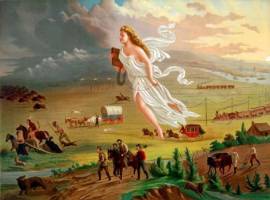
In this middle school lesson, best facilitated at the beginning of a westward expansion unit, students analyze John Gast's painting American Progress, then read and analyze primary source documents to construct their own definition of Manifest Destiny. To deepen their understanding, students analyze... Read more »
Created by: Sarah Brewer
Date Updated: August 18th, 2026
U.S. Territorial Expansion
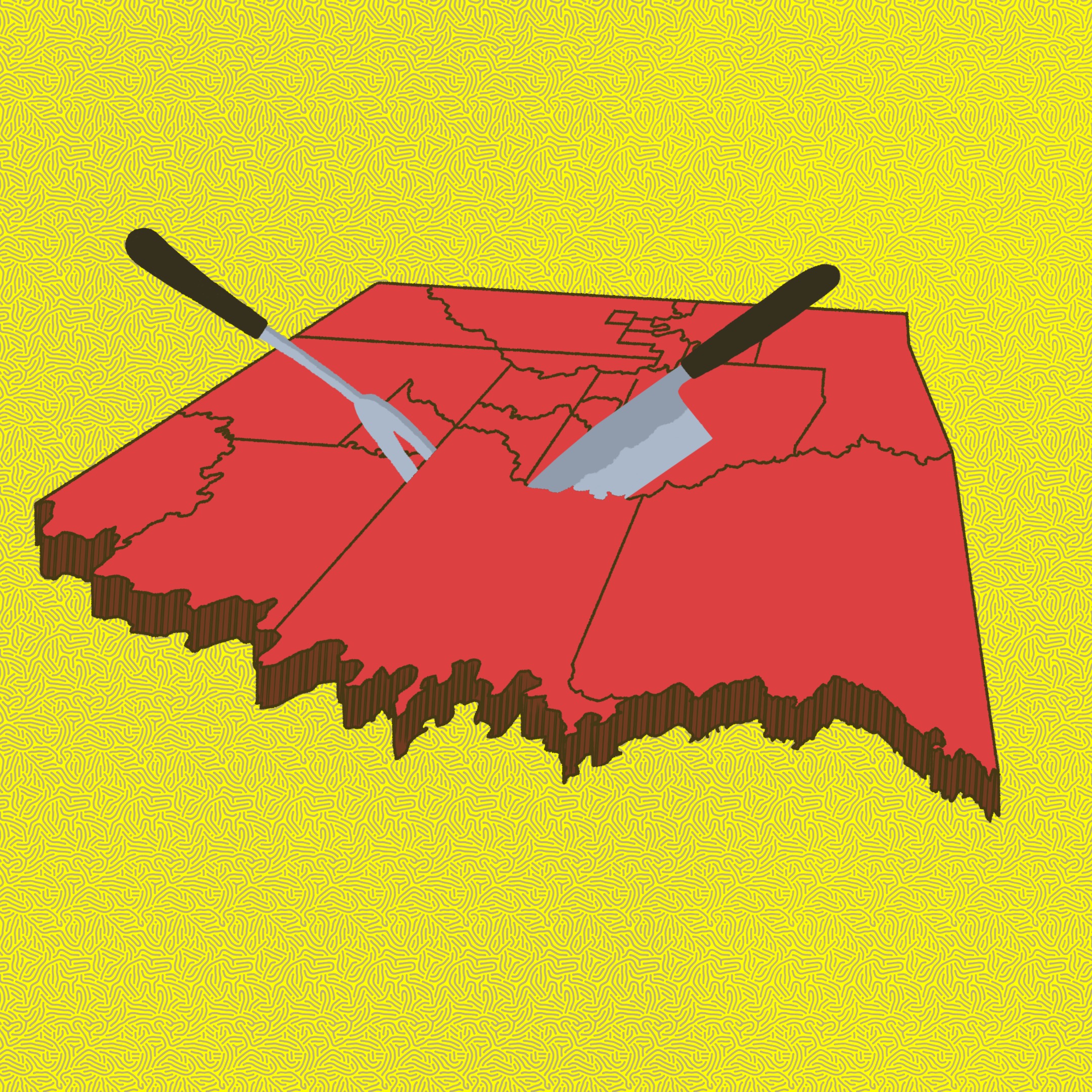
In this lesson, students will make observations and inferences about policies leading to a history of Native peoples being dispossessed of their land. Students will explore the policy of allotment by participating in a simulation activity and completing an article analysis. To extend their learning,... Read more »
Created by: Sarah Brewer
Date Updated: July 16th, 2026
Land Openings in Indian Territory
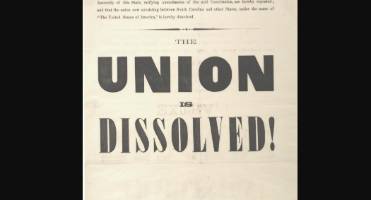
In this lesson, students analyze primary-source documents to determine why the Southern states seceded from the Union to form the Confederate States of America. Students write Claim, Evidence, Reasoning (CER) responses to explain the Southern states’ actions. Students extend their learning by analyzing... Read more »
Created by: Sarah Brewer
Date Updated: July 13th, 2026
The U.S. Civil War
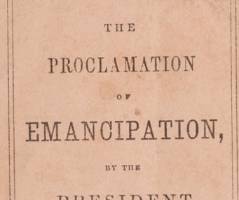
In this lesson, students will analyze the Emancipation Proclamation in comparison to an excerpt from President Lincoln's first inaugural address. Students will interact with a card sort and complete a paired text analysis in groups to interpret these primary sources. Learning is extended by examining... Read more »
Created by: Sarah Brewer
Date Updated: June 30th, 2026
Expanding the Goals of the Civil War

Students will use text analysis strategies to summarize two significant events of the Revolutionary War—the Battle of Saratoga and the French Alliance. Then students, working in collaborative groups, will use their knowledge of these events to annotate the lyrics of the song "Guns and Ships" from the... Read more »
Created by: Sarah Brewer
Date Updated: April 7th, 2026
The Battle of Saratoga and the French Alliance
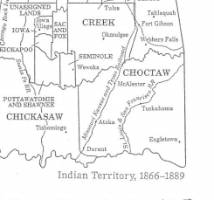
This lesson explores the impact of the Civil War and Reconstruction on the Five Tribes. Students will begin this lesson with a Word Splash activity to activate their prior knowledge about the Five Tribes' involvement in the Civil War. Next, students will explore the Reconstruction Treaties of 1866 (treaties... Read more »
Created by: Sarah Brewer
Date Updated: February 26th, 2026
The Reconstruction in Indian Territory
In this lesson, students explore the responsibilities of citizens. Students begin by brainstorming what it means to be a good citizen. They then analyze two documents that provide further information on the responsibilities of citizens within a democracy and summarize their learning in a graphic organizer.... Read more »
Created by: Sarah Brewer
Date Updated: February 25th, 2026
Responsibilities and Rights of U.S. Citizens
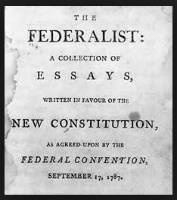
Students will listen to the lyrics from Hamilton to consider why the US Constitution needed to be defended. In collaborative groups, students will work to understand and create point-of-view statements for both Federalists' and Anti-Federalists' viewpoints on ratifying the U.S. Constitution. Next, students... Read more »
Created by: Sarah Brewer
Date Updated: September 15th, 2026
Ratification of the Constitution Debate
