


Authentic Lessons for 21st Century Learning

Forensic Collection

Sherry Franklin | Published: May 11th, 2026 by K20 Center

Summary

This collection of lessons focuses on skills that a forensic scientist or crime scene investigator would use professionally. These lessons can be taught separately, as a unit, or as a part of activities in an after-school club.

Resources

If the Shoe Fits

Analyzing Forensic Impression Evidence

Grade Level Grade Level

  • 9th - 12th

In this lesson students will learn about forensic impression evidence. They will come to understand the methods for documenting and analyzing two- and three-dimensional impressions by collecting dental stone castings and inked impressions of shoe prints. After analyzing the characteristics of these... Read more »

Lesson 5E Lesson
If the Shoe Fits

Analyzing Forensic Impression Evidence

Grade Level Grade Level

  • 9th - 12th

Subject Subject

  • Science

Copied To Clipboard Standards

  • SFS2.a, SFS4.c
More 2–3 periods
Time Frame 200 minutes
Crime Solving Insects

Forensic Entomology

Grade Level Grade Level

  • 9th - 12th

In this lesson, students explore the field of forensic entomology by engaging in hands-on, reflective activities. After reviewing the life cycle of flies, students will act as forensic investigators and work through authentic case studies. Students will have a deeper understanding of forensic entomology,... Read more »

Lesson 5E Lesson
Crime Solving Insects

Forensic Entomology

Grade Level Grade Level

  • 9th - 12th

Subject Subject

  • Science

Course Course

  • Forensics

Copied To Clipboard Standards

  • IOD404, IOD505, IOD702, SFS1, SFS1.d, SFS5, SFS5.b, SFS5.c, SFS5.d
More 4-5 periods
Time Frame 205
More than Skin Deep

DNA Fingerprinting and Profiling

Grade Level Grade Level

  • 9th - 12th

This lesson explores DNA fingerprinting and how it relates to paternity (or familial) tests and police investigations. After talking about what DNA fingerprinting is and what it covers, students will read an article to decide whether they agree or disagree with the practice of DNA fingerprinting in... Read more »

Lesson 5E Lesson
More than Skin Deep

DNA Fingerprinting and Profiling

Grade Level Grade Level

  • 9th - 12th

Course Course

  • Biology

Copied To Clipboard Standards

  • HS-LS3-1, B.LS2.5 , B.LS3.1 , IOD203, IOD301
More 120 minutes
Time Frame 2-3 class period(s)
Held for Ransom

Forensic Handwriting Analysis

Grade Level Grade Level

  • 7th - 12th

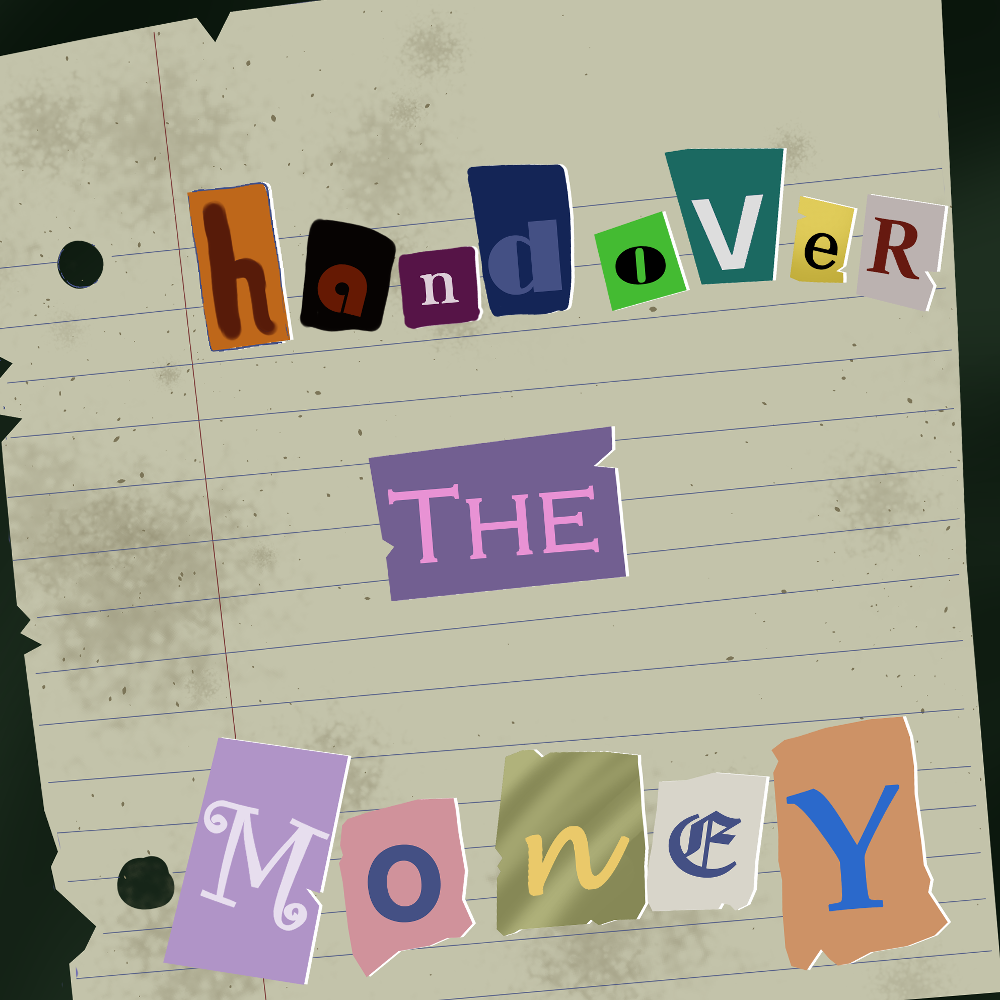
In this lesson, students will explore forensic document analysis with an emphasis on handwriting. They will learn about the 12 characteristics of handwriting analysis and use them to analyze samples of their own handwriting and a peer's. Students will apply the skills they practiced to identify the... Read more »

Lesson 5E Lesson
Held for Ransom

Forensic Handwriting Analysis

Grade Level Grade Level

  • 7th - 12th

Subject Subject

  • Science

Course Course

  • Forensics

Copied To Clipboard Standards

  • SFS2.c
More 3–4 periods
Time Frame 180 minutes

Standards

ACT College and Career Readiness Standards - Science (6-12)
IOD203: Find basic information in text that describes a simple data presentation
IOD301: Select two or more pieces of data from a simple data presentation
Georgia Standards of Excellence: Forensic Science (Forensic Science)
SFS2.a: Plan and carryout an investigation to determine the value of physical and trace evidence.
SFS2.c: Use models for the evaluation of handwriting and document evidence.
SFS4.c: Construct an explanation to support the significance of impression evidence in an investigation.
Next Generation Science Standards (Grades 9, 10, 11, 12)
HS-LS3-1: Ask questions to clarify relationships about the role of DNA and chromosomes in coding the instructions for characteristic traits passed from parents to offspring.
Oklahoma Academic Standards (Biology)
B.LS2.5 : Develop a model to illustrate the role of photosynthesis and cellular respiration in the cycling of carbon among the biosphere, atmosphere, hydrosphere, and geosphere.
B.LS3.1 : Ask questions to clarify relationships about the role of DNA and chromosomes in coding the instructions for characteristic traits passed from parents to offspring.

This work is licensed under a Creative Commons CC BY-SA 4.0 License.

Report copyright infringement »